What does luxury even mean?

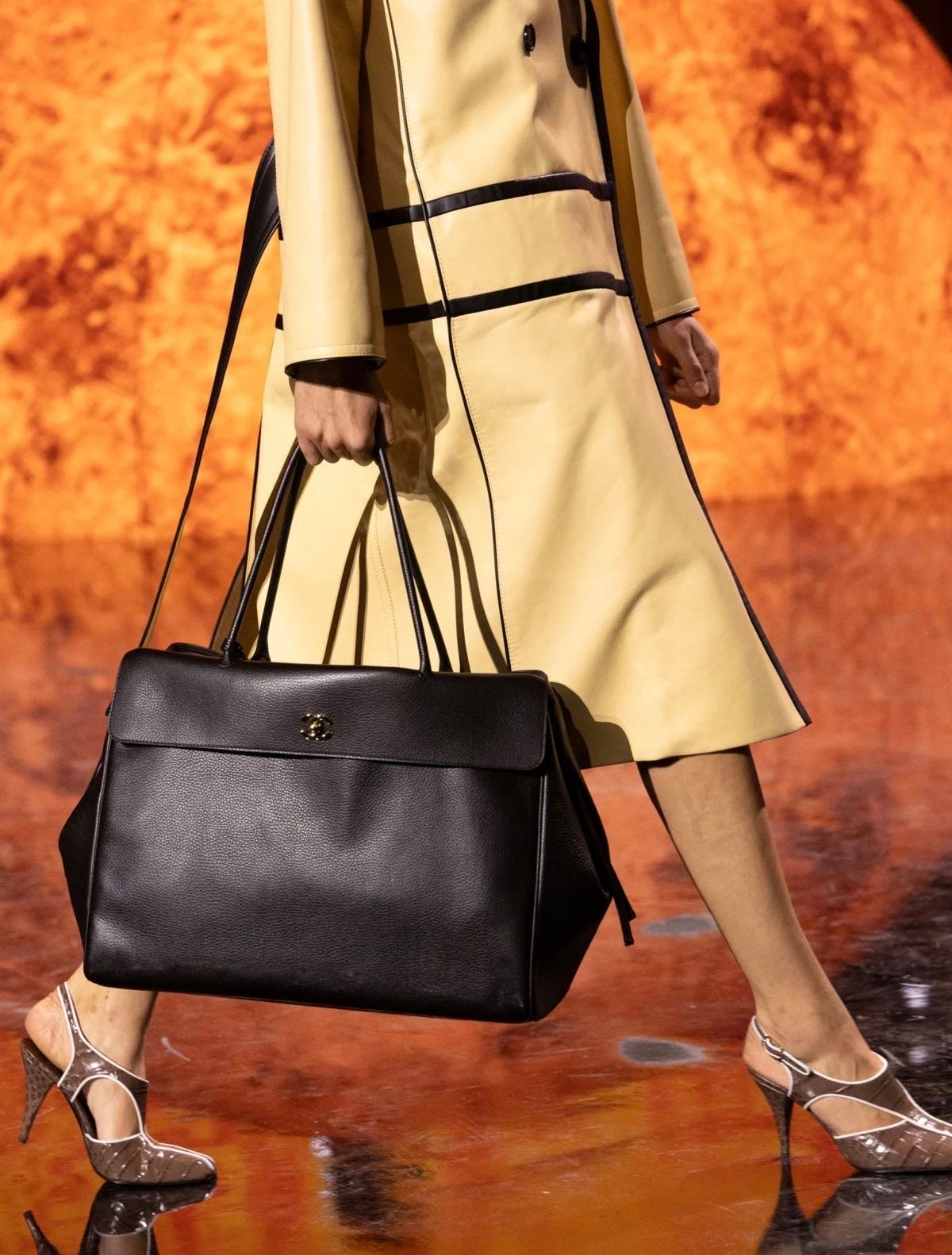
Watching recent shows, one thing keeps striking me. Matthieu Blazy has an extraordinary ability to make accessories desirable. The proportions feel right, the styling is incredibly sharp, even the music always creates a very specific atmosphere that for once, makes me interested. There’s a clarity of vision that’s hard not to respond to.
But the more I watch the system of fashion today, the more I find myself thinking about it’s system. Because luxury houses today seem to operate in a very particular way.
A creative director arrives, studies the archive, reinterprets the codes, mixes their sensibility with the brand’s heritage. For a few seasons everything feels new again. Then someone else arrives and the process begins again. In a way, each era becomes a long collaboration between a designer and an archive.
Historically, luxury houses were built around founders whose vision was the brand. Coco Chanel or Christian Dior didn’t just design for a house they were the house. The aesthetic, the philosophy, the codes all came from a single point of view. Today it feels different. The house becomes the platform. The designer becomes the moment.
And yet, despite this shift, desire remains deeply attached to the historic name. A bag from Chanel carries a symbolic weight that goes far beyond the object itself. Blazy’s products are desirable, but would they be so desirable without the Chanel logo on them?
If what we truly respond to is the designer’s point of view the styling, the energy, the cultural relevance they bring, why don’t we simply buy directly from designers themselves? Why not just shop from JW Anderson if that’s the perspective we admire?
The answer, of course, is that luxury is not just about design. It’s about the myth. The house provides the history, the narrative, the symbolic capital built over decades. The designer brings the contemporary interpretation. Together they create desire.
But that leads to a much bigger question that I think we rarely ask clearly: What do we actually mean when we say “luxury »? Because the word is used constantly, yet the definition has become surprisingly vague.
Last week, a friend hosted a dinner and that friend was complaining on the after buy service on he’s balenciaga bag he had bought 6 months earlier needed repairing. And that led to us wondering what luxury really is nowadays?
Prices across luxury have risen dramatically over the decades. When the classic flap bag was introduced by Chanel in 1955, it cost around $220. Today, depending on the model, the same category of bag can easily approach €10,000.
Of course inflation plays a role, as do production costs and global demand. But the magnitude of the increase inevitably raises another question:
what exactly justifies the price today?
Is it craftsmanship?
Materials?
Heritage?
Marketing?
Symbolic value?
In reality it’s probably a mixture of all of these.
But I sometimes feel that the conversation stops too quickly at the symbolic level, the dream, the show, the campaign, the cultural moment. And this is where I think there’s another layer to the discussion: our responsibility as customers.
Because luxury should imply extremely concrete standards. If a house charges several thousand euros for a bag, that object should not simply be desirable for a season. It should be designed to accompany someone for decades. The leather should age beautifully. The construction should withstand time. And the house should stand behind it. Repairs. Restoration. Reconditioning. Re-polishing. Long-term care.
Personally, I think luxury brands should commit to maintaining their pieces for 50years or more essentially for the span of someone’s adult life. That would make the idea of “luxury” tangible again. But for that to exist, customers also have to demand it. And I’m not sure we always do. We tend to be very hard on small designers but not enough on big luxury groups.
Many people today aren’t necessarily equipped to evaluate what they’re paying for leather quality, construction techniques, finishing, durability, after-sales service. These things require a certain literacy in objects, and the industry doesn’t exactly encourage that level of scrutiny. So instead, the conversation often revolves around the narrative: the runway show, the new creative director, the cultural relevance of the moment. But perhaps we should also be asking harder questions about the object itself. Because if luxury really means anything, it should mean excellence that lasts not just in image, but in material reality.
And maybe the real question isn’t only what luxury brands owe us. It’s also what we, as customers, are willing to demand.
What do you think?
interesting post (i enjoyed it!) - do you think the term ‘luxury’ has become shallow?
and, if so, has that shallowness allowed for the seasonality of ‘luxury’?